COVID-19 Vaccine in Edinburgh for Students, Working Adults and Families: 2026/27 Guide
- Vaccinations
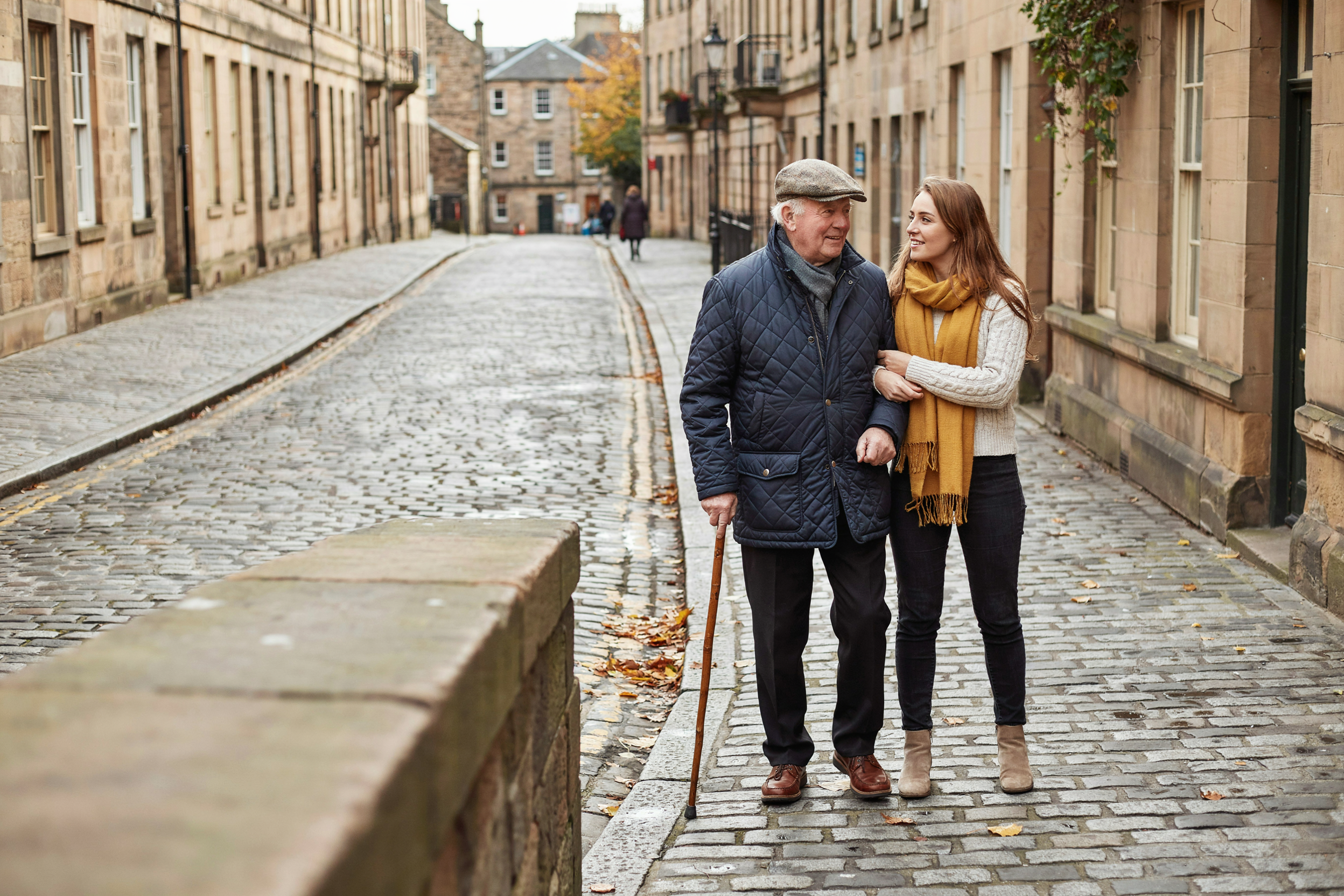
A few years ago almost every adult in Scotland was offered a COVID-19 vaccine. That has changed. This winter the free programme covers a much smaller group, and many people in Edinburgh are unsure whether they need a vaccine at all, whether it is worth paying for one, and where to go if they want one. At Forrest Pharmacy we hear those questions every day from students, people in work, international students, and people about to visit elderly relatives for the holidays.
This is our complete guide to the COVID-19 vaccine for winter 2026/27, written for anyone in Edinburgh. It covers who gets a free vaccine in a few lines, who a private dose suits and who it does not, what the appointment includes, timing, side effects, what to do if you catch COVID-19, and how to book at Forrest Pharmacy. The groups we see most often each have their own page, linked as we go.
COVID-19 vaccine in Edinburgh at a glance
- Free on the NHS for: adults aged 75 and over, care home residents, and people with a weakened immune system.
- Private vaccine: for others who want to lower their own risk, after a check that it is suitable for you.
- What it does: it mainly lowers the risk of serious illness. It gives limited protection against mild infection and little against passing the virus on.
- The vaccine: updated for this season to match a recent variant. Most adults are given an mRNA vaccine.
- Gap since your last dose: usually about 6 months, and at least 3 months.
- With flu: the two can be given at the same appointment, one in each arm.
- Where: Forrest Pharmacy, 45 Forrest Road, Edinburgh EH1 2QP, easy to reach from anywhere in the city.
COVID-19 in 2026: what has changed
COVID-19 is caused by the SARS-CoV-2 virus. For most young and healthy adults it now behaves like a heavy cold or a bout of flu: a cough, a sore throat, a blocked or runny nose, a headache, aching muscles, a temperature and tiredness. That is largely because most people have built up immunity from earlier vaccines and infections.
It remains far more serious for some people. The risk of being admitted to hospital rises steeply with age, and people whose immune system does not work well are much more likely to become seriously ill. Unlike flu, COVID-19 does not follow a neat winter season. It circulates all year, with waves as new variants appear.
The vaccine is updated regularly to match the variants in circulation, much as the flu vaccine is updated for each winter. Protection against serious illness is strongest in the months after vaccination and fades over time, which is why people at highest risk have a dose each autumn, and some in the spring as well.

Who this guide is for
The COVID-19 questions we hear are mostly about whether a vaccine is relevant to you, not about the vaccine itself:
- I am in my sixties with a heart condition. Is it worth paying for one?
- I am going home to see my grandparents at Christmas. Should I get a COVID-19 vaccine first?
- I take medication for Crohn's disease. Should I have been offered one?
- I have just moved here from abroad. Do my old vaccines count?
- I have a cough and a temperature. Do I need a test?
Students have their own page on the COVID-19 vaccine for students, international students have one on COVID-19 vaccines for international students, people visiting older family have one on protecting relatives this winter, and anyone who is unwell can read what to do about COVID-19 symptoms.
Who gets a free COVID-19 vaccine?
In short, the NHS in Scotland offers a free COVID-19 vaccine this winter to adults aged 75 and over, residents of care homes for older adults, and anyone aged 6 months or over with a weakened immune system. Eligible people are invited through their GP practice. Healthy adults under 75 are not included, and that includes students, healthcare workers, carers and pregnant women unless they also fall into one of those groups.
A weakened immune system includes people having cancer treatment, people who have had a transplant, and people taking immune-suppressing medicines for conditions such as Crohn's disease, colitis, rheumatoid arthritis, psoriasis, lupus or multiple sclerosis. Young adults in this group often do not realise they qualify. If you are not sure, ask us when you book and we will tell you honestly.
Why the free group is small, and what that means for you
The free programme now focuses on the people at highest risk of serious illness, which is mainly the oldest adults and people with a weakened immune system. The reasoning is worth knowing, because it helps you decide whether a private vaccine is worth it.
The current vaccines are good at reducing the risk of serious illness and hospital admission, particularly in the months after vaccination. They give limited protection against catching a mild infection, and there is no clear evidence that they stop people passing the virus on. For a healthy young adult whose risk of serious illness is already low, the benefit of a dose this winter is small. For someone older, or with a long-term condition that is not on the free list, the benefit can be more worthwhile.
How risk changes with age
The single biggest factor in how ill COVID-19 makes someone is age. Data from England for 2024 to 2025, published in the UK immunisation guidance, showed hospital admission rates rising steeply decade by decade: people in their sixties were admitted at roughly twice the rate of people in their fifties, people in their seventies at more than twice the rate again, and people aged 80 and over at about three times the rate of those in their seventies.
In practice that means a healthy student and their grandparent face very different risks from the same infection. People aged 65 to 74 are not in the free group this year unless they have a weakened immune system, and this is the age group that most often asks us about a private dose.
Living with someone at higher risk
Many people in Edinburgh share a flat or a family home with someone more vulnerable: a flatmate on chemotherapy, a partner after a transplant, an older parent. Because the vaccine does little to stop the virus spreading, the most useful steps for the healthy people in that home are practical ones:
- Make sure the vulnerable person has had their own vaccine, and their flu jab.
- Keep your distance while you are ill, use separate towels and cups, and open windows in shared rooms.
- Help them keep tests at home, if they are eligible for antiviral treatment, so they can test quickly and get treatment within five days.
- Have your flu jab. Flu vaccines do reduce your chance of catching flu and bringing it home.
Our page on protecting older relatives this winter goes into this in more detail.
Who a private COVID-19 vaccine suits
A private dose is not for everyone, and we will say so if we do not think you need one. The people for whom it is most often worth discussing are:
- Adults aged 65 to 74, particularly with a long-term condition such as heart disease, lung disease or diabetes that is not on the free list.
- People who want to lower their own risk before a busy winter, a long trip or a hospital procedure.
- People who care for someone vulnerable and want to lower their own chance of serious illness, so they can keep caring.
- People whose last dose was a long time ago and who are worried about a new variant.
If you are healthy and under 50, a private COVID-19 vaccine is unlikely to make much difference to you, and a flu jab will usually do more to keep you well this winter. We will explain the options honestly.
What a private COVID-19 vaccination includes
- A suitability check: questions about your health, allergies, previous doses and reactions, pregnancy and medicines.
- The current season's vaccine, given into the upper arm.
- A short wait afterwards if the pharmacist advises it.
- Aftercare advice, including side effects to watch for.
You do not need a GP referral, and you do not need to be registered with us. The price is on our price list.
Which COVID-19 vaccine will you be given?
The vaccines used this winter have been updated to match a recent variant of the virus. Most adults are given an mRNA vaccine, which teaches the body to recognise the spike protein on the surface of the virus. A protein-based vaccine exists for people who cannot have an mRNA vaccine. Children who are eligible are given a children's dose.
On the day, the pharmacist will tell you which vaccine you are having and answer any questions about it.
Timing your COVID-19 vaccine
The autumn programme in Scotland began in early October, and the free programme runs until 31 January 2027. For a private dose, timing depends mainly on when you last had one and what you want it to cover.
- Gap since your last dose: usually about 6 months, and at least 3 months. Bring a note of when you last had one.
- After a COVID-19 infection: once you have recovered, there is no need to wait longer before being vaccinated.
- Before visiting older relatives: protection against serious illness takes about one to two weeks to build, so allow for that. Our page on protecting relatives this winter covers what else helps.
- Before travel: if you are going abroad, think about timing alongside any travel vaccines you need.
- Before a procedure: if you have planned surgery or treatment, ask your hospital team when vaccination fits best.
COVID-19 and flu vaccines together
The two vaccines can be given at the same appointment, normally one in each arm. The flu jab does not protect against COVID-19, and the COVID-19 vaccine does not protect against flu. For most healthy adults under 65 a flu jab is the more useful of the two this winter. Our guide to the flu jab in Edinburgh explains who it suits and how to book.
Side effects, in brief
Most side effects are mild and settle within a day or two: a sore arm, tiredness, a headache, aching muscles, chills and sometimes a mild temperature. Rest and simple painkillers help. Severe allergic reactions are very rare and happen within minutes, which is why vaccinators are trained and equipped to treat them, and you may be asked to wait for a short time afterwards.
Who should wait, or talk to us first?
- Feeling properly unwell: if you have a high temperature on the day, rebook for when you have recovered.
- A previous severe allergic reaction: to a COVID-19 vaccine or any of its ingredients. Tell us before booking, as you may need specialist advice.
- Myocarditis or pericarditis after a previous dose: tell us, as this changes the advice.
- Blood thinners or a bleeding disorder: most people can still have the injection, with firm pressure afterwards.
- Pregnancy: COVID-19 vaccines can be given in pregnancy. Tell us at booking and the pharmacist will talk it through.
The pharmacist checks all of this on the day. It helps to know which medicines you take and roughly when you last had a COVID-19 dose.
If you catch COVID-19
Most people no longer need to take a COVID-19 test. If you have symptoms, stay at home until you no longer have a fever and no longer need medicine to bring it down, and stay away from people at higher risk where you can. Do not visit hospitals or care homes while unwell.
People at higher risk, mainly those with a weakened immune system, may be offered antiviral treatment, which needs to start within five days of symptoms beginning. Our page on COVID-19 symptoms and what to do covers this, including when to call your GP, 111 or 999.
How a COVID-19 vaccination at Forrest Pharmacy works
- Book. Choose a time in the calendar below, call us on 0131 225 7770, or ask at the counter. If you want a flu jab as well, tell us.
- A few health questions. We ask how you feel today, about allergies and past reactions, the date of your last COVID-19 vaccine, pregnancy, blood thinners and anything that affects your immunity.
- The vaccine. If it is suitable, it is given into the upper arm. Wear a loose sleeve.
- Aftercare and a record. We explain the usual side effects, the rare ones to watch for, and who to contact if something worries you.
You do not need to be registered with us to book.
Before your appointment
A little preparation makes the appointment quicker:
- Know your last dose date. If you are not sure, an approximate month is fine. The gap matters more than the brand.
- Bring a list of your medicines, including anything prescribed by a hospital team.
- Wear something with a loose sleeve, or a short-sleeved top under your jumper.
- Eat normally beforehand, especially if needles make you feel faint.
- Tell us if you have had a reaction before, to any vaccine, so the pharmacist can plan for it.
Book a COVID-19 vaccination at Forrest Pharmacy
Choose a time below. The pharmacist checks at your appointment that vaccination is suitable for you.

Getting to Forrest Pharmacy from anywhere in Edinburgh
We are at 45 Forrest Road, Edinburgh EH1 2QP, in the centre of the city. Many Lothian Buses routes from across Edinburgh stop within a few minutes' walk, Waverley station is about a 15 minute walk away, and we are open on Saturdays, so you can fit a vaccination into a day in town. If you are booking for an older relative who finds travel hard, call us first and we will help you find the easiest time.
Booking for a couple or a family
Some people like to come together: a couple in their late sixties before a winter holiday, or an adult child bringing a parent for COVID-19 and flu on the same day. If you want two or more appointments close together, choose times next to each other in the calendar, or call us on 0131 225 7770 and we will arrange it. Each person has their own suitability check, so allow a little extra time.
Why choose Forrest Pharmacy?
Forrest Pharmacy is an independent community pharmacy and health clinic at 45 Forrest Road, Edinburgh EH1 2QP. We vaccinate people from all over Edinburgh, as well as students and visitors staying in the city.

- Easy to reach: central, close to bus routes from across Edinburgh, and a short walk from the university.
- Open six days a week: Monday to Friday 9am to 6pm, and Saturday 9am to 5pm.
- Book online: pick a time in the calendar on this page, without phoning.
- Straight answers: we will tell you if you are eligible for a free vaccine, or if you do not need one at all, before we sell you anything.
- Flu and other vaccines: you can have your flu jab at the same visit, and ask what else might be due.
Common questions about COVID-19 vaccines in Edinburgh
Can I get a free COVID-19 vaccine if I am under 75?
Only if you have a weakened immune system or live in a care home for older adults. Everyone else under 75 can discuss a private dose with a pharmacist.
Is a private COVID-19 vaccine worth it?
It depends on your age and health. It is most worthwhile for people in their sixties and early seventies, and for people with long-term conditions. For healthy young adults the benefit is small, and we will tell you so.
I am a student. Do I need a COVID-19 vaccine?
Most healthy students do not. Students with a weakened immune system usually qualify for a free one. Our page on the COVID-19 vaccine for students goes through it.
How long after my last dose can I have another?
Usually about 6 months, and at least 3 months. The pharmacist will check.
I had COVID-19 recently. Should I wait?
Once you have recovered, there is no need to wait longer before being vaccinated.
Does the vaccine stop me passing COVID-19 on?
Not reliably. Its main job is to reduce the risk of serious illness for the person vaccinated. If you are visiting someone vulnerable, staying away while unwell matters more.
Can I have my flu and COVID-19 vaccines on the same day?
Yes. One visit is enough for both, with a jab in each arm.
Do I need a COVID-19 test if I have a cough?
Most people do not. Tests are mainly for people at higher risk who may need treatment. See our page on COVID-19 symptoms and what to do.
I had COVID-19 vaccines abroad. Do they count?
Bring a record of the vaccines and dates. The pharmacist will check the right interval before another dose. Our page for international students has more.
What should I bring?
A note of when you last had a COVID-19 vaccine if you can, the names of any medicines you take, and any vaccine records from abroad.
I am 68 and healthy. Can I get a free COVID-19 vaccine?
Not this winter, unless you have a weakened immune system. The free programme starts at 75. You can talk to a pharmacist about whether a private dose makes sense for you.
Is the COVID-19 vaccine safe in pregnancy?
COVID-19 vaccines can be given in pregnancy. Tell us if you are pregnant and the pharmacist will talk through whether it is right for you.
Can I book for an older relative?
Yes. If they are 75 or over they should be offered a free vaccine, so check that first. If not, you can book a time for them in the calendar on this page, or call us on 0131 225 7770.
Can I have a COVID-19 vaccine while breastfeeding?
Yes. COVID-19 vaccines can be given while breastfeeding, and there is no need to stop or pause feeding.
How long does the protection last?
Protection against serious illness is strongest in the first few months after a dose and then gradually fades. That is why people at highest risk are offered a dose each autumn and sometimes again in the spring.
Will I feel ill afterwards?
Some people feel tired, achy or slightly feverish for a day or two, and the arm is often sore. It is worth avoiding booking the day before something important, like an exam or a long flight, in case you feel flat.
Can I have other vaccines on the same day?
Usually, yes. COVID-19 can be given alongside flu and most other vaccines, including shingles and travel vaccines. Tell us what else you are having and the pharmacist will check the timing.
Will my GP know I have had a COVID-19 vaccine?
Vaccinations given outside a GP practice should be recorded and shared with your practice. We can tell you on the day how that happens. Keep your own note of the date and vaccine.
Related reading
- COVID-19 Vaccine for Students in Edinburgh: Do You Need One?
- COVID-19 Vaccines for International Students in Edinburgh
- Visiting Older Relatives This Winter: COVID-19 Vaccines and Protecting Family
- COVID-19 Symptoms in 2026: What to Do, and When to Get Help
- Flu Jab in Edinburgh for Students and Working Adults: The 2026/27 Guide
- COVID-19 vaccination at Forrest Pharmacy
Reviewed by Ather Diab, Superintendent Pharmacist and Independent Prescriber (GPhC 2233707). Forrest Pharmacy, 45 Forrest Road, Edinburgh EH1 2QP. Last reviewed: 29 October 2026.
This page is general information and does not replace an individual assessment. COVID-19 vaccines are prescription-only medicines and are only given after a check that vaccination is suitable for you. If you have side effects, speak to a pharmacist or your GP. In an emergency, call 999.
Sources: Scottish Government, Winter Programme 2026: Seasonal Flu and COVID-19 Vaccination, SGHD/CMO(2026)18; JCVI advice on COVID-19 vaccination for autumn 2026 and spring 2027; UKHSA, Immunisation against infectious disease (the Green Book), chapter 14a (COVID-19).
Continue reading
Vaccinations
COVID-19 Symptoms in 2026: What to Do in Scotland, and When to Get Help
The current advice in Scotland on COVID-19 symptoms: how long to stay at home, who still needs a test, antiviral treatment for people at higher risk, and when to call your GP, 111 or 999.
Ather Diab7 min read
Vaccinations
COVID-19 Vaccines for International Students in Edinburgh: Records and Doses
Who gets a free COVID-19 vaccine in brief, whether your vaccines from home count, what to do if you have a weakened immune system, when a private dose makes sense, and travel.
Ather Diab7 min read

Vaccinations
COVID-19 Vaccine for Students in Edinburgh: Do You Need One?
Which students get a free COVID-19 vaccine, why students with a weakened immune system are often missed, whether healthy students need one, and why a flu jab usually does more.
Ather Diab7 min read